

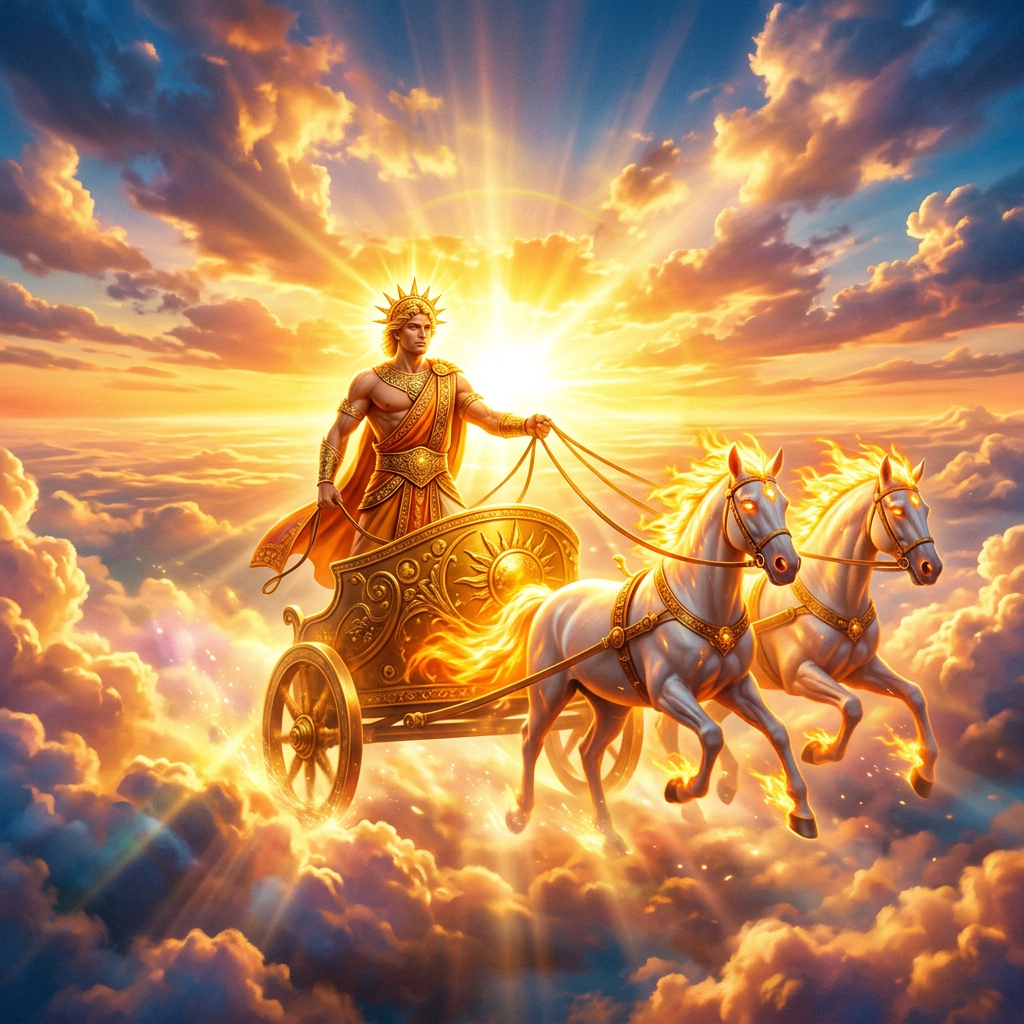
Creation myths serve as a foundational aspect of human culture, providing insights into how various tribes understand their origins and the universe. Across the globe, each tribe has crafted narratives that reflect their unique environments, values, and experiences. From the ancient Greeks and Romans to Indigenous peoples of Africa and the Americas, these stories reveal a rich tapestry of beliefs and traditions that highlight the diversity of human thought in relation to the cosmos.
In the realm of Indigenous creation myths, the narratives often emphasise a deep connection with nature and the land. For example, many Native American tribes share stories that illustrate the Earth’s formation through the actions of deities or animals, imparting lessons about the relationship between humanity and the natural world. These myths are not merely historical accounts; they serve a vital role in maintaining cultural identity and continuity over generations, reinforcing communal values and practices.
Similarly, Hindu cosmology presents an intricate view of creation, where the universe undergoes cycles of birth, preservation, and destruction. The stories of deities like Brahma, Vishnu, and Shiva encapsulate complex philosophical ideas about existence and the nature of reality. These narratives not only provide insight into the spiritual beliefs of Hinduism but also influence cultural practices and festivals that celebrate the cycles of life and the cosmos.
In contrast, Mesopotamian accounts, particularly those found in the Epic of Gilgamesh, present a different perspective on creation. The chaotic beginnings of the universe reflect the struggles of humanity against the forces of nature and the divine. These ancient stories underscore the importance of human endeavour and the quest for immortality, revealing the hopes and fears of early civilisations as they navigated their existence in an uncertain world.
Lastly, Norse mythology offers a fascinating narrative of the cosmos’s genesis, filled with rich symbolism and dramatic themes of conflict and renewal. The creation of the world from the body of the giant Ymir highlights the interplay between destruction and creation, echoing themes found in other traditions. By examining these diverse narratives, students and scholars can appreciate the profound ways in which different cultures interpret the mysteries of existence and their place within the universe.
Creation Through the Elements: Earth, Water, Fire, and Air
The elements of Earth, Water, Fire, and Air play a crucial role in the myriad creation myths found across various cultures. From ancient civilisations to indigenous tribes, these elements are often personified or revered as divine forces that shape the universe and humankind. In many narratives, Earth is depicted as the solid foundation of creation, symbolising stability and nurturing life. Water, on the other hand, embodies the essence of life and transformation, serving as a medium through which creation flows and evolves. Together, these elements interact in complex ways, reflecting the interconnectedness of all things in nature.
In Hindu cosmology, for instance, the creation story often begins with the cosmic ocean, representing Water, where the first being, Vishnu, lies in a state of deep slumber. From the depths of this ocean, creation emerges, illustrating the vital role of Water as a source of life. Similarly, in Mesopotamian myths, such as the Epic of Gilgamesh, the primordial waters are seen as the cradle from which the world is formed. These narratives highlight how different cultures perceive the elemental forces as both life-giving and destructive, showcasing the duality inherent in creation.
Fire is another powerful element frequently associated with creation. In many indigenous myths, Fire is not just a source of warmth and light but is also linked to transformation and renewal. For example, in some Native American myths, the element of Fire is seen as a gift from the gods, enabling humankind to cultivate the land and develop civilisations. This transformative aspect of Fire is mirrored in various cultures where it represents the spark of life, creativity, and the burning away of the old to make way for the new.
Air, often seen as the breath of life, plays a significant role in numerous creation narratives as well. In Greek mythology, the primordial deity Chaos represents the void from which the elements emerge, including Air, which is essential for life. Furthermore, in African creation stories, the concept of Air is linked to the spiritual realm, where the winds are believed to carry the voices of ancestors, reinforcing the connection between the living and the spiritual world. Such interpretations of Air emphasise its role in the cycle of life and death, bridging the earthly and the divine.
The interplay of these four elements—Earth, Water, Fire, and Air—creates a rich tapestry of creation myths that reflect the beliefs and values of different cultures. By examining these narratives, we gain insights into how ancient societies understood their environment and existence. The diversity of these myths not only showcases the imaginative capacities of human beings but also highlights the universal themes of creation, transformation, and the relationship between humanity and nature, making them an essential area of study in comparative mythology.
Spiritual Significance and Environmental Awareness
The interplay between spiritual significance and environmental awareness is a profound theme that resonates across various creation myths. Many indigenous cultures articulate a deep connection between the cosmos and the Earth, often viewing the natural world as imbued with sacred meaning. This perspective fosters a sense of stewardship, compelling individuals to care for the environment as an extension of their spiritual beliefs. In this light, understanding the spiritual narratives of creation can enhance our appreciation of ecological balance and the sanctity of life.
In Hindu cosmology, for instance, the concept of creation is not merely an event but a continuous cycle of birth, death, and rebirth, known as samsara. This cyclical view promotes an ethos of respect for all living beings, as every element of the universe is interconnected. Such beliefs encourage sustainable practices that honour the Earth, illustrating how ancient narratives can inform contemporary environmental ethics. By exploring these connections, we gain insights into how spiritual awareness can lead to practical action in safeguarding our planet.
Similarly, Native American myths often emphasise the harmony between humanity and nature. For many tribes, the creation stories serve as moral frameworks that guide the relationship with the land. The Earth is seen as a living entity, deserving of respect and care. These narratives remind us that environmental awareness is rooted in a spiritual understanding of our place within the universe. By recognising the lessons embedded in these tales, we can inspire a collective movement towards ecological responsibility.
In contrast, ancient Greek and Roman accounts, while rich in narrative detail, often depict creation as a struggle among gods, highlighting themes of chaos and order. Yet, even within these myths, there exists a recognition of the divine nature of the world. The Greeks, particularly, revered the Earth as Gaia, a goddess who symbolises fertility and nurturing. This reverence for the Earth can serve as a reminder of the importance of maintaining balance and harmony in our modern environmental practices.
Ultimately, the exploration of creation myths across cultures reveals a common theme: the spiritual significance of our relationship with the environment. As students, academics, and teachers delve into these narratives, they uncover the underlying philosophies that advocate for environmental awareness. By recognising the profound connections between spirituality and ecological stewardship, we can cultivate a deeper understanding of our responsibility to the Earth and all its inhabitants.
Chinese Creation Myths: Pangu and Nuwa
In the realm of Chinese creation myths, two prominent figures emerge: Pangu and Nuwa. Pangu is often depicted as the primordial being who played a crucial role in the formation of the universe. According to legend, he emerged from a cosmic egg, which contained chaos and potential. As he awoke, Pangu began to separate the heavens from the earth, using a giant axe to carve out the landscape. This act of creation spanned thousands of years, during which Pangu grew in stature, ultimately establishing the world we know today before sacrificing himself to further shape it.
Nuwa, in contrast, is revered as the goddess of creation and is often associated with the formation of humanity. Myth tells that after Pangu’s departure, the earth began to crumble, prompting Nuwa to take action. She is said to have fashioned the first humans from yellow earth or clay, crafting them with care. Realising that her creations lacked life, she breathed into them, thereby imbuing them with spirit and consciousness. This nurturing aspect of Nuwa’s character highlights the importance of femininity in creation narratives, contrasting with Pangu’s more masculine and forceful approach.
The myths of Pangu and Nuwa not only reflect the Chinese understanding of the cosmos but also embody philosophical principles deeply rooted in East Asian thought. Pangu’s separation of heaven and earth can be interpreted as a metaphor for duality and balance, concepts central to Daoist philosophy. Meanwhile, Nuwa’s creation of humanity underscores themes of compassion and responsibility, suggesting that creation is an ongoing process requiring care and attention. Together, these narratives provide insight into how ancient Chinese culture viewed the relationship between humanity and the cosmos.
Comparatively, these myths resonate with other cultural narratives of creation, such as the Hindu cosmology where gods engage in creation through various means, and the stories from Native American traditions that often involve a trickster figure or a transformative event. Each of these myths offers unique perspectives on the origins of life and the universe, yet they share common themes of chaos and order, life and death, and the balance of forces. Such comparative analysis reveals the universal human quest to understand existence through storytelling.
In examining Pangu and Nuwa, we see not only the richness of Chinese mythology but also the broader implications of creation myths across cultures. These narratives serve as foundational stories that shape moral values and cultural identities. As students and academics delve into these myths, they uncover the intricate tapestry of human belief and the diverse ways in which different civilisations perceive their place in the universe. The tales of Pangu and Nuwa remind us of the enduring power of myth in shaping our understanding of beginnings, both cosmic and personal.
Japanese Creation Narratives: Izanagi and Izanami
In the Japanese creation narrative, the deities Izanagi and Izanami play crucial roles in shaping the world and the beings that inhabit it. According to the myth, these two divine entities were tasked with creating the first land. Izanagi, armed with a heavenly spear, stirred the primordial ocean, and as he lifted the spear, droplets fell from it, forming the islands of Japan. This act not only signifies the emergence of land but also illustrates the connection between the divine and the earthly realm, emphasising the Japanese belief in the sacredness of the islands.
Izanami, the female counterpart, was instrumental in the creation of life. After the formation of the land, she gave birth to various deities representing natural elements and forces. However, during the birth of the fire deity, she suffered fatal injuries, leading to her descent into the underworld, Yomi. This event marks a significant turning point in the narrative, as it introduces themes of death and the afterlife, which are central to many mythologies, including those of other cultures.
The relationship between Izanagi and Izanami encapsulates the duality of creation and destruction. Izanagi’s subsequent journey to Yomi to retrieve his wife reflects the human experience of loss and the inevitability of death. Upon realising the transformation of Izanami into a decayed figure in the underworld, Izanagi’s rejection of her signifies the separation of life and death, a theme that resonates with creation myths globally, such as those found in Mesopotamian and Greek traditions.
Moreover, the narrative highlights the importance of purification rituals in Shinto, the indigenous spirituality of Japan. After his return from the underworld, Izanagi performed a cleansing ritual, which gave rise to more deities. This act of purification is a significant aspect of Japanese culture, symbolising renewal and the cyclical nature of life. Such themes are echoed in various creation myths across cultures, where rituals often accompany the emergence of life or the establishment of order from chaos. In conclusion, the creation narrative of Izanagi and Izanami not only serves as a foundational myth for the Japanese people but also provides insights into universal themes of life, death, and rebirth. As students and scholars of comparative mythology explore these narratives, they may find parallels in other cultures, illustrating the shared human experience of seeking understanding about the origins of the universe and humankind. The story invites reflection on the intricate connections between mythology, culture, and the natural world, enriching the discourse on creation myths across civilisations.
